
In 2026, getting your Amazon product title right can make or break your sales. According to Amazon's latest guidelines, titles that effectively utilize keywords while being customer-friendly can increase click-through rates (CTR) by up to 30%. With increasing competition, it's crucial to understand the science behind these titles and how to craft them for maximum visibility and conversion.
The Amazon Product Title Formula
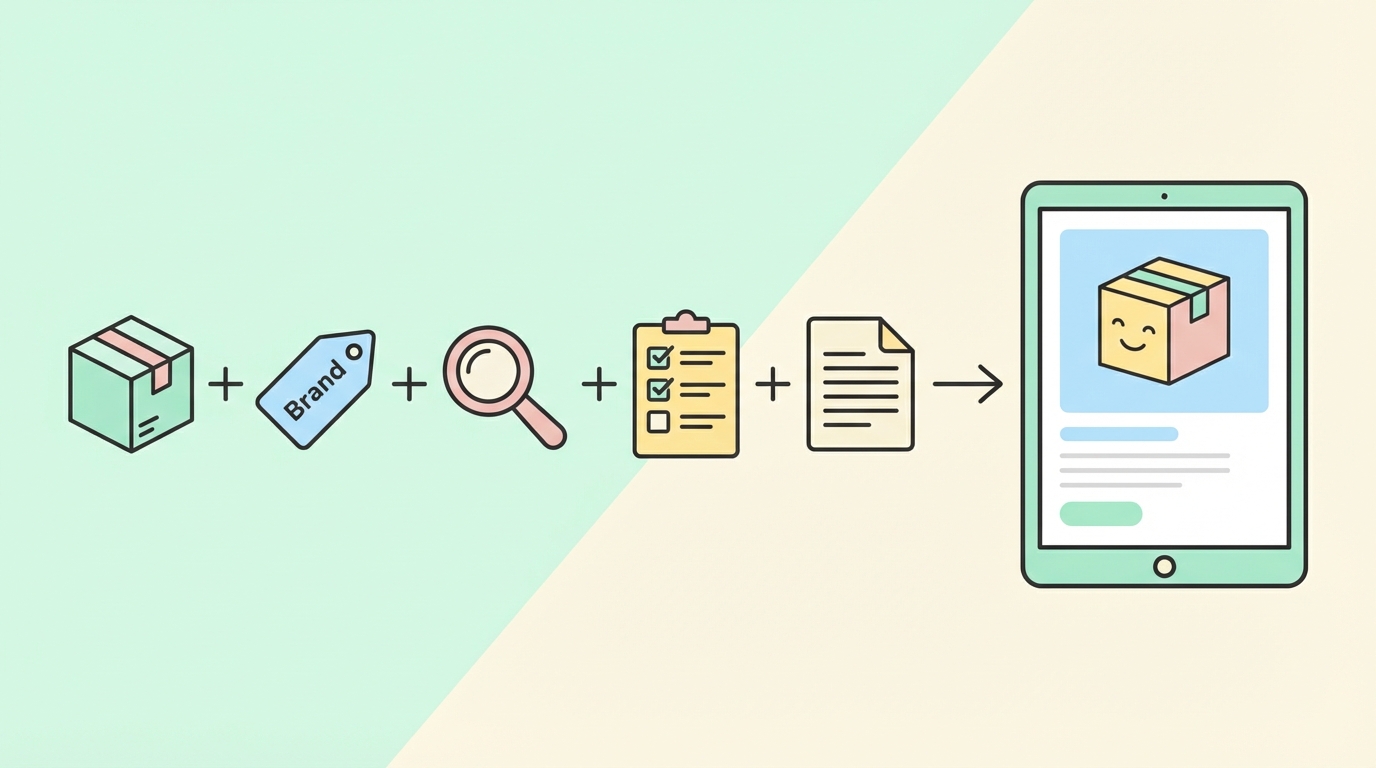
To create a winning product title, follow this formula: [Brand] + [Main Keyword] + [Key Features] + [Size/Quantity] + [Color/Flavor]. This approach not only helps in optimizing your product for Amazon’s A9 algorithm but also caters to customer preferences. Let’s break this down:
1. Brand
Starting with the brand name helps establish credibility. If your brand is well-known, it will attract more clicks. For example, a title like "Nike Running Shoes" immediately conveys quality. If you're less familiar, consider including it at the beginning as it can still add value.
2. Main Keyword
Your primary keyword should be closely related to what customers will search for. Use tools like SellerCard's keyword research feature to find high-traffic keywords. For example, if you’re selling running shoes, your main keyword might be "Men's Running Shoes". This is critical since Amazon tends to prioritize the first 80 characters of a title, especially in search results.
3. Key Features
Highlighting key features helps both the algorithm and the customer. This might include attributes such as "Lightweight", "Water-Resistant", or "Breathable Fabric". Choose features that best differentiate your product. Continuing with our example, your title could read "Men's Running Shoes, Lightweight, Water-Resistant". These descriptors attract shoppers looking for specific benefits, increasing your chances of conversion.
4. Size/Quantity
Including the size or quantity clarifies what buyers are getting. This can significantly reduce customer inquiries and returns. For instance, if you’re selling socks, use "3-Pack" or "Size L". An example title could be "Men's Running Shoes, Lightweight, Water-Resistant, Size 10".
5. Color/Flavor
Incorporating color or flavor options can help buyers make quick decisions. Use this part of the title to showcase available variations; for example, "Men's Running Shoes, Lightweight, Water-Resistant, Size 10, Black". This specificity will lead to higher relevancy in search results.
Putting It All Together

Now, let’s look at a complete title using our formula:
"Nike Men's Running Shoes, Lightweight, Water-Resistant, Size 10, Black". This title includes everything needed for high ranking and conversion: strong branding, effective keywords, and pertinent features.
Title Optimization Techniques
Character Limit: Amazon allows a maximum of 200 characters, but it's best to keep your titles between 100-150 to ensure they're clear and concise. Long titles can be truncated, especially on mobile.
Avoid Keyword Stuffing: While it’s tempting to pack in as many keywords as possible, remember that readability matters. Your title should read naturally, not like a list of keywords.
Punctuation and Special Characters: Stick to basic punctuation. Avoid symbols that may confuse the algorithm, like “+” or “&”. Instead, use clear spaces and commas to separate different sections of the title.
Regularly Update Titles: Monitor your product performance through analytics. If certain keywords aren't bringing in traffic, adjust them. Tools like SellerCard's listing health can help you track these metrics effectively.
Real Examples of Effective Titles
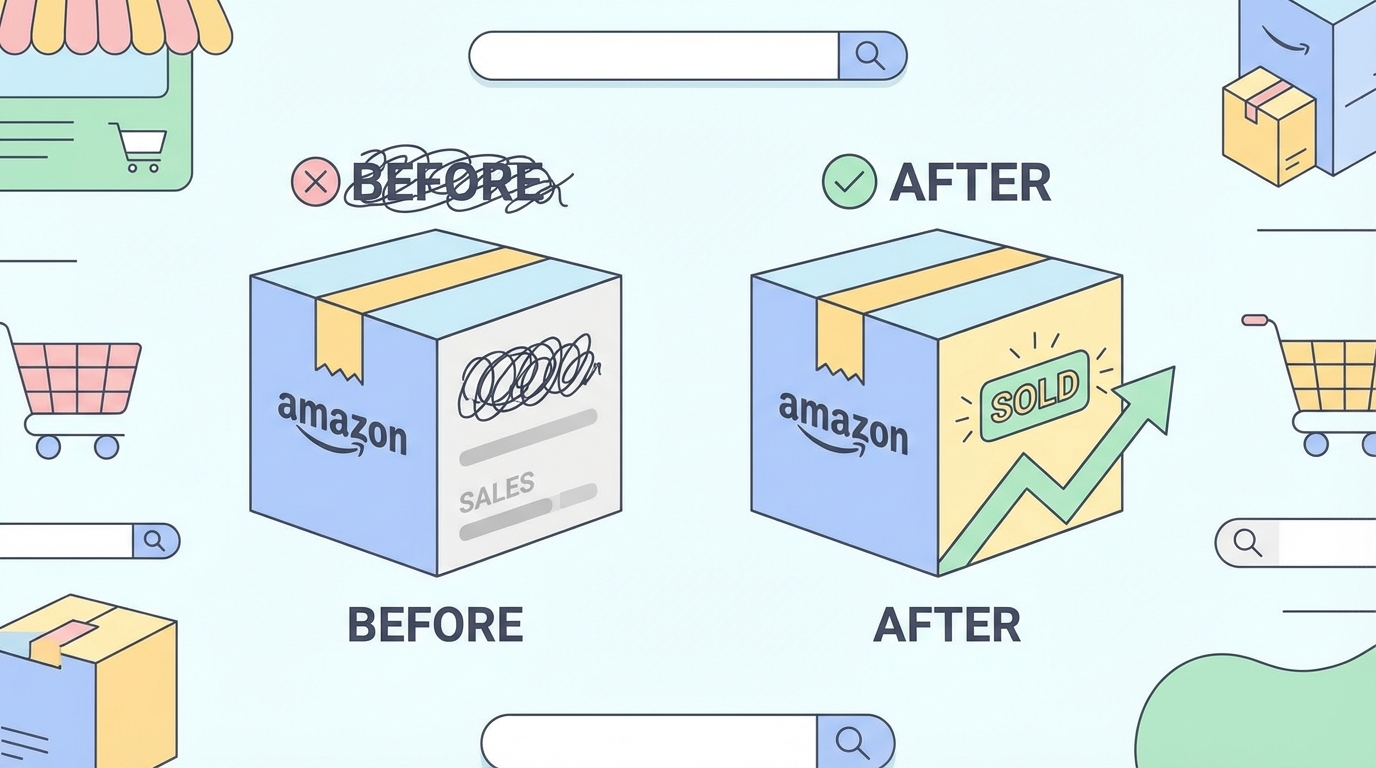
To better illustrate this, here are two different product titles for the same product type:
Title Analysis "Men's Running Shoes, Lightweight, Size 10, Black" This title lacks a brand and vital keywords, hindering its visibility and trustworthiness. "Nike Men's Running Shoes, Lightweight, Water-Resistant, Size 10, Black" This title includes the brand, essential features, and is keyword optimized for better search visibility.The second title not only ranks better but has a higher likelihood of conversion due to its detailed, informative nature.
Final Thoughts
Crafting an Amazon product title that ranks and converts isn’t just about inserting keywords; it’s about creating a clear, informative title that speaks to your customers. By following the Amazon product title formula and the actionable tips outlined, you can significantly enhance your product’s visibility and sales performance in 2026.
Ready to take your listings to the next level? Use SellerCard to generate a listing that effectively utilizes these strategies.
For more tools that can enhance your selling experience, check out our collection of free seller tools.